
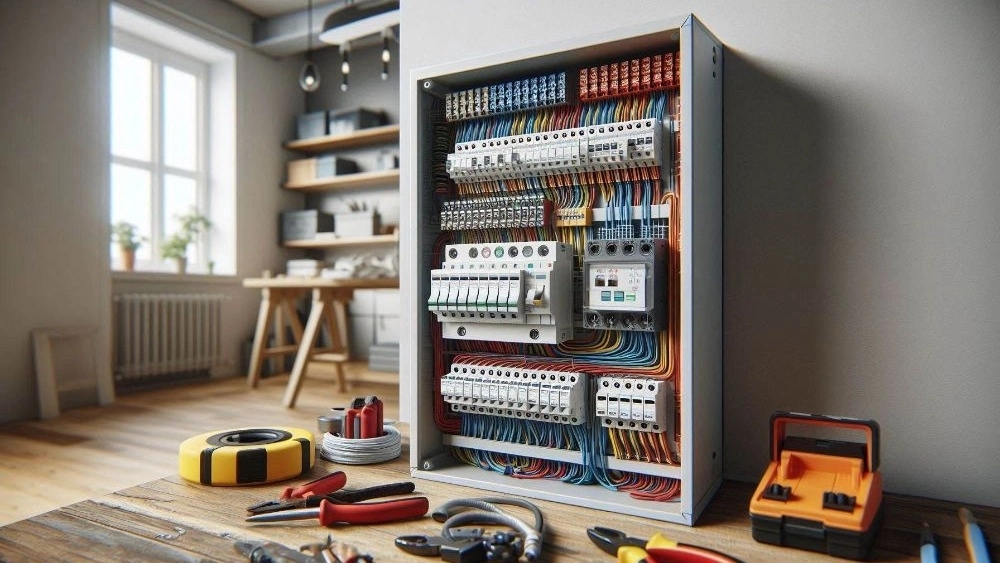
The steering wheel is one of the main parts in the electronic and elevator control segment and in fact the system processing center. The piece is made up of a metal body, circuits, electronic components and microprocessors and is tasked with transferring commands to the engine, controlling the cabin movement and announcing various situations. The elevator steering wheel has a variety of types, such as the size and size of the elevator, the volume of the elevator cab and the number of floors of the building. Given the important role of this piece, it is best to be careful in choosing it and buy the best and most high quality steering wheel; Because its inferior types cause problems such as frequent parts of the components, high noiseability and unnecessary errors.
The main tasks of the elevator steering wheel
The brain of the elevator system is the steering wheel and the system will completely disappear if it is difficult to operate or disconnect the elevator or steering wheel network. The steering wheel components include rotary keys, contactors, Trans CT, Bi metal, relay, timers, IC, capacitive regulator and sockets.
The main tasks of this piece
Elevator motor speed control Maintain the safety of the elevator system Control of brakes and switches Controlling the route of the elevator cab movement Maintaining users' safety Processing different electrical sections Positioning the cabin
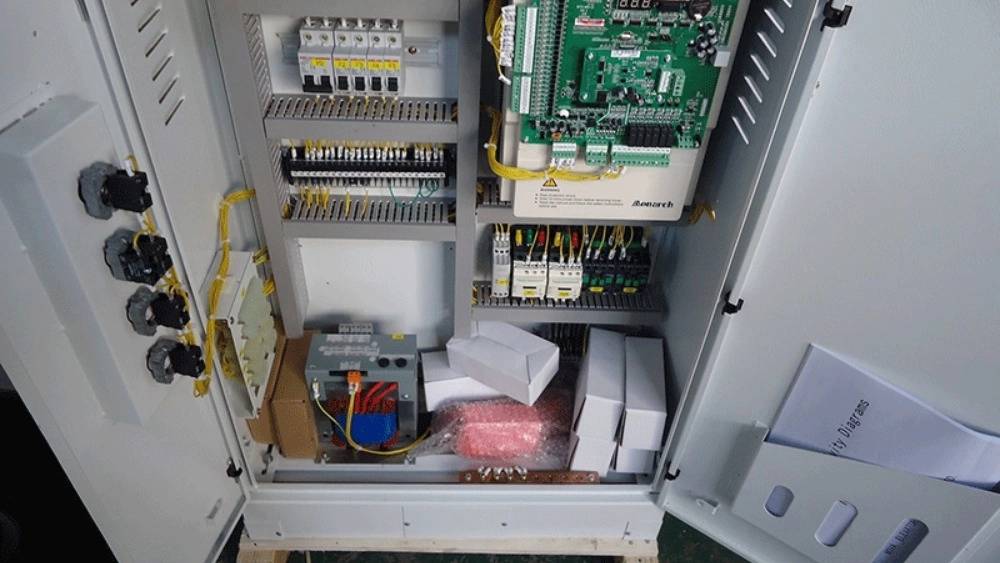
The types of elevator steering wheel
Relay steering panel
Relay steering panel is one of the oldest types of steering panels used to control elevator performance using electric relays. These boards use old technologies and are less commonly used in elevators because of the lack of up -to -date technologies.
Digital steering wheel
Digital steering wheels have more advanced technologies than relay models and have more capabilities. In this panel, various microcontrollers and sensors are used to control the movement of the elevator more accurately.
Two -speed steering wheel
The two -speed steering wheel is used in elevators that work at two different speeds. There is no speed control drive in this panel and used in relatively old elevators. Because the cabin was trembling and elevated energy consumption increased. Now and in new systems no longer use this command panel.
Driver's steering wheel (3VF)
The steering wheel is a device that can change the amount of voltage and frequency, which will create good conditions for launching the elevator engine. So that the engine speed does not reach the name of zero at once, and the engine first starts slowly, and as the voltage increases, its speed increases to the nominal speed. The steering wheel can also change the speed and torque in the engine. In elevators equipped with this steering wheel, problems with sudden shocks and impact
Hydraulic steering wheel
Hydraulic steering panel is one of the basic equipment in hydraulic elevators, made in the form of a box with a metal body. The steering wheel also contains electrical and electronic components as well as various circuits. This steering wheel has a task to check and control the various conditions of the elevator. These panels are installed in the hydraulic elevator engine and are visited and served by service during service.
The functions of the elevator steering wheel
Operational control
The steering wheel controls and manages all elevator operations, such as responding to floor selection requests, door operations and ensuring the elevator at the right speed. The panel processs the signals received from the control buttons and interact with the elevator's motors and mechanisms to execute the commands.
Safety management
Steering boards have safety features such as emergency stop buttons, bells and load sensors. The aforementioned features make sure that the elevator operates in safe parameters and can effectively respond to emergencies.
Measuring load
The steering wheel checks the weight of the load inside the elevator to prevent the cabin from moving overly weight. Because the high weight of the load beyond the specified limit can lead to the failure of the mechanical components and the occurrence of different risks and events.
Communication
Modern commands use the CAN regional control network technology, which allows different elevator components to communicate effectively. This relationship involves transfer information about the position, speed and operational status of the elevator.